
Strapi Development Built Around Your Content and Applications
When content needs to power more than one website—or needs a structure your team can manage reliably—a headless CMS can offer a more flexible foundation.
Bixeltek builds Strapi content models, APIs and frontend integrations around how your business publishes and uses information, from Next.js websites to application-backed content experiences.
Planning a new headless website, connecting Strapi to an existing frontend or moving content from another CMS? Start with the content model and the job the system needs to do.
Trusted by global brands
across US, Canada, Saudi & India























A Content Platform Designed Around How Your Business Publishes
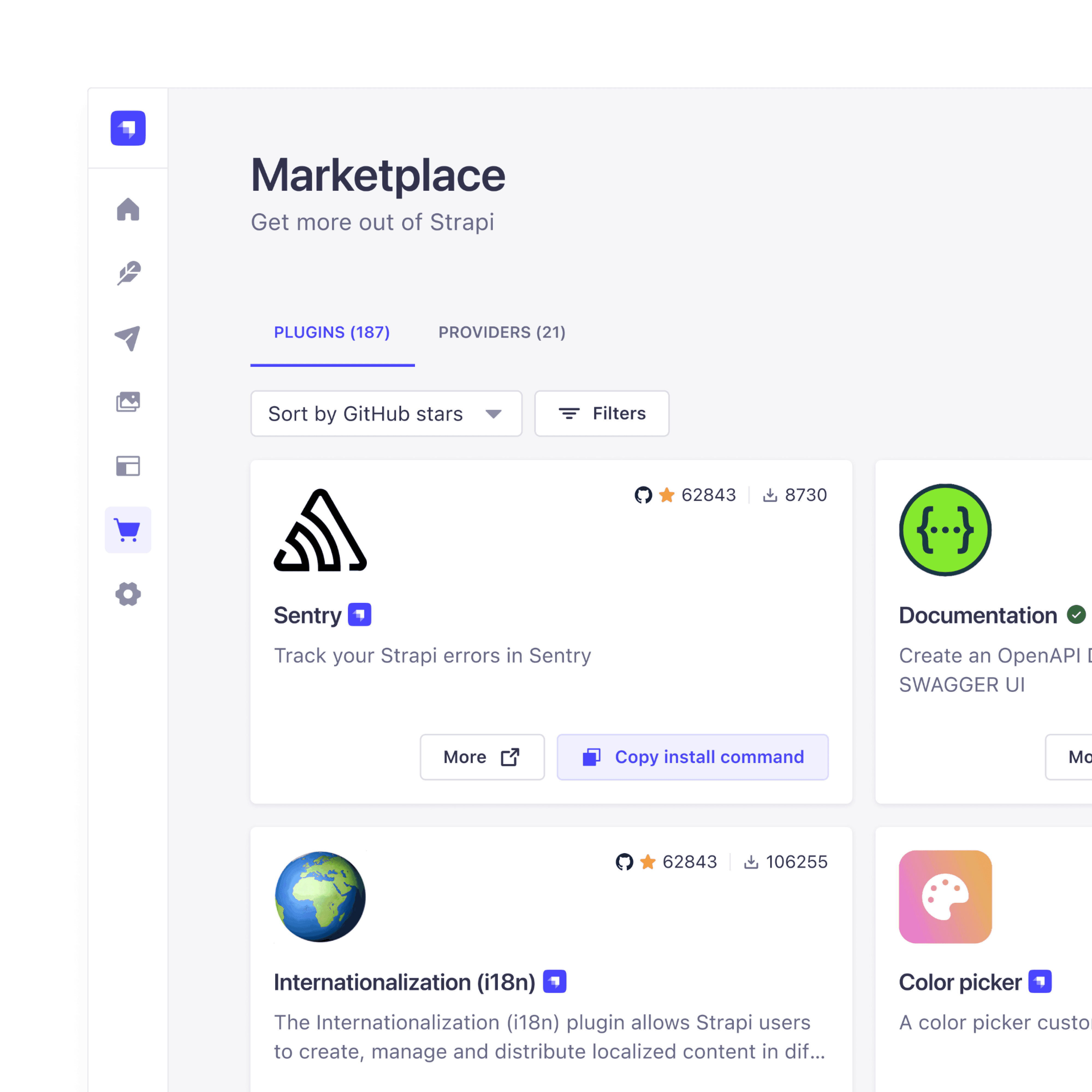
Strapi is an open-source headless CMS that lets teams manage structured content and expose it through APIs to websites, apps and other digital experiences. The frontend can be developed separately using the framework that fits the project.
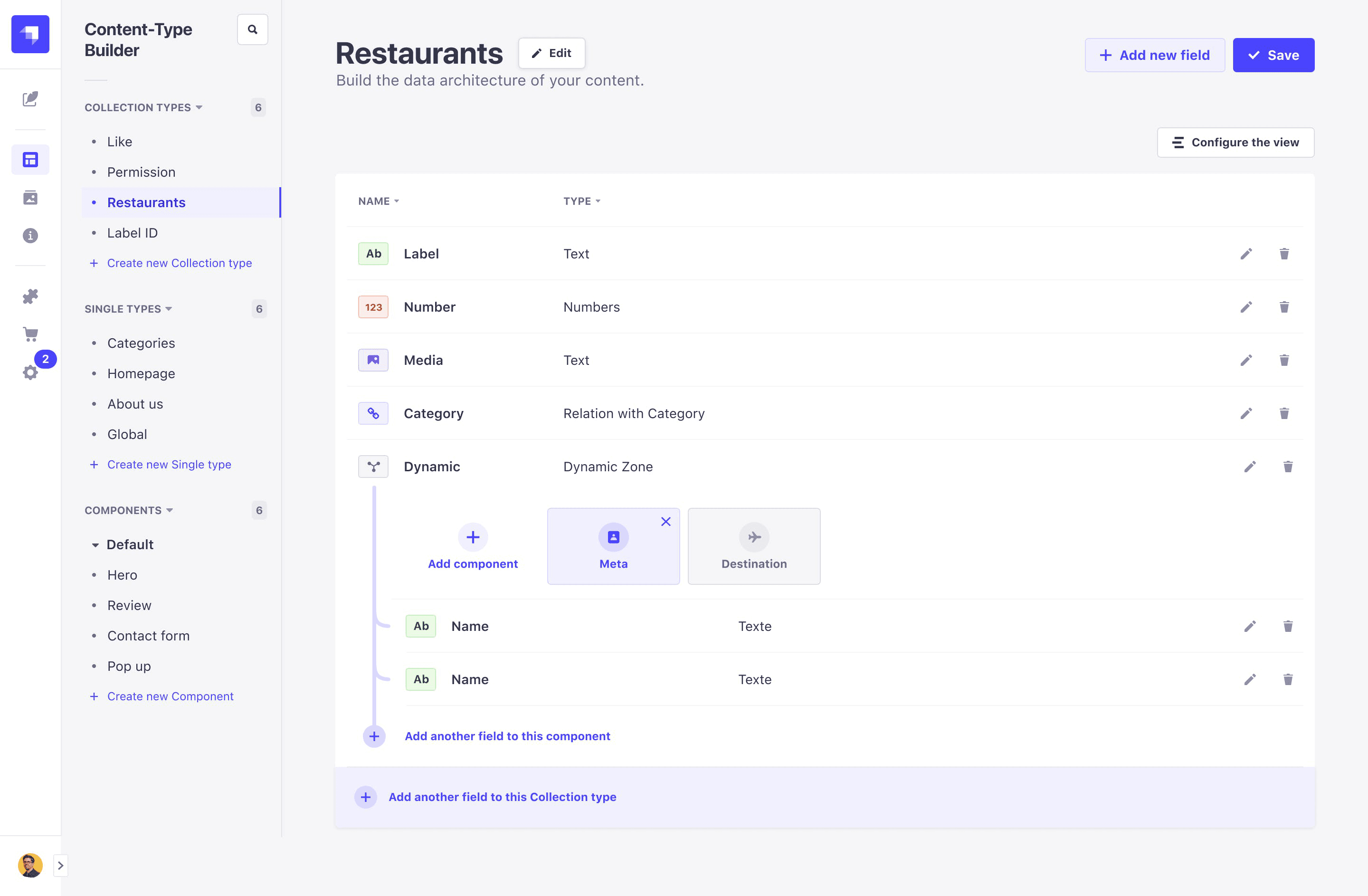
The quality of a Strapi implementation depends on more than connecting an API. Content types, reusable components, relations, permissions, publishing workflows, preview and frontend data handling all need to reflect how the system will be used.
Why Strapi Projects Need Thoughtful Engineering
Without clear content modelling, deliberate API query design, and preview integrations, headless architectures can create editorial friction and maintenance debt.
Your Content Is Locked Into One Frontend
When the website and content system are tightly coupled, reusing the same information in an app or another digital experience can take extra work. A headless setup can separate content management from presentation when multi-channel delivery is a real requirement.
Content Structures No Longer Fit the Business
Generic fields can become difficult to manage when pages, products, locations or resources have different relationships and publishing needs. A considered Strapi content model makes those relationships explicit instead of leaving editors to work around the structure.
Editors Depend on Developers for Routine Changes
A flexible API alone does not create a good editorial workflow. Content types, components, permissions and preview need to be designed so editors can update approved content without accidentally breaking the frontend.
The Frontend and CMS Do Not Stay in Sync
A field change, unpublished entry or missing relation can cause unexpected frontend behaviour if the integration is loosely defined. The content model, API queries, validation and error handling need to work together.
APIs and Integrations Need Better Structure
Websites and applications may need content from Strapi alongside CRM, ecommerce, search or internal systems. Reliable integration requires clear data ownership, authentication, permissions and rules for how information moves between systems.
A Migration or Upgrade Feels Risky
Moving content or changing Strapi versions can affect schemas, relations, media, API consumers and publishing workflows. A migration plan should include data mapping, validation, integration testing and a controlled release rather than relying on a one-time export.
Technical Scope Across Content Modelling, APIs & Frontends
We engineer clean Strapi content schemas, tailored API endpoints, frontend integrations, and reliable publishing workflows.
Strapi CMS Setup & Configuration
Set up the CMS environment, core configuration and project structure around the agreed content needs, deployment model and team responsibilities.
Content Types, Components & Relations
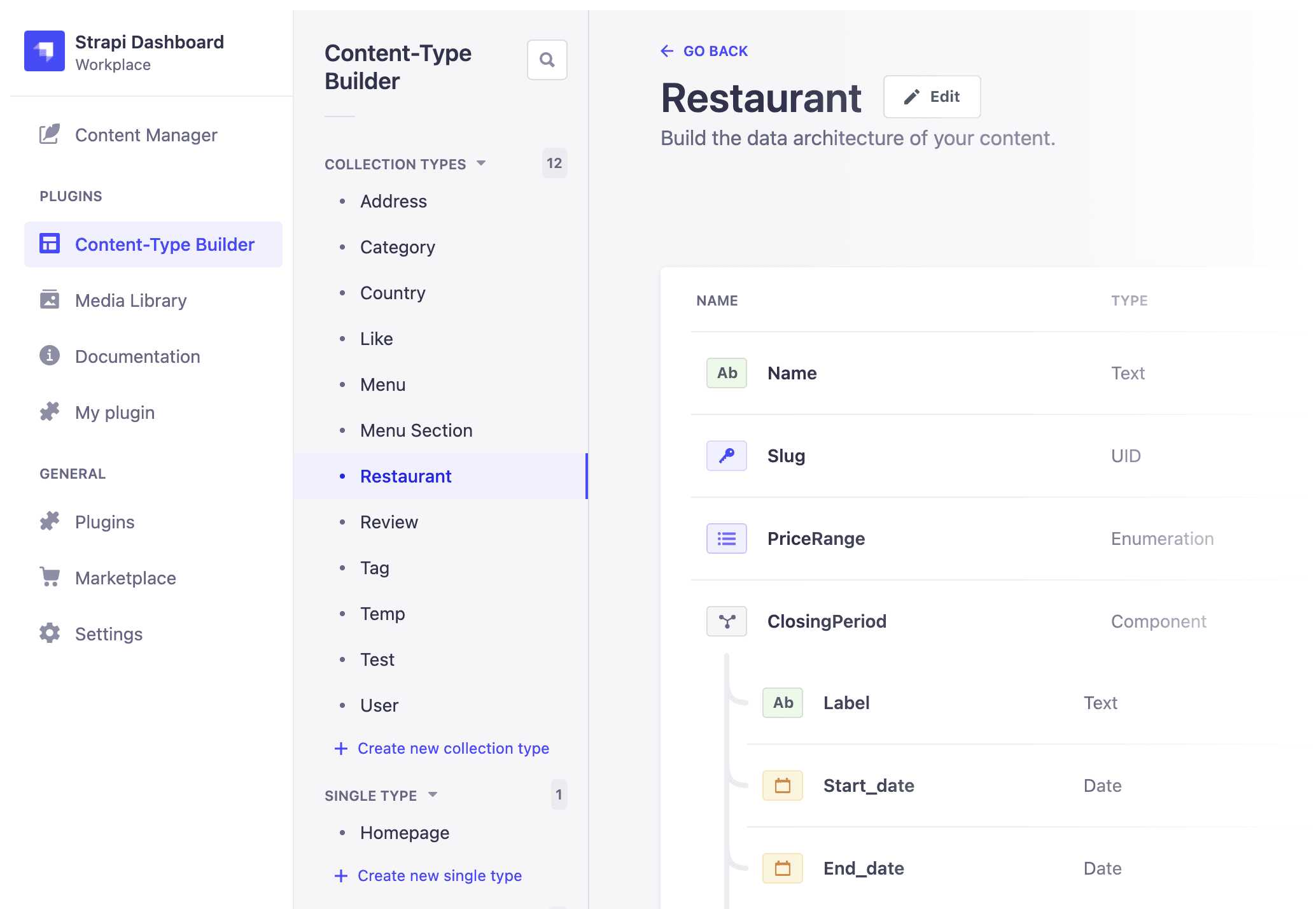
Model pages, entries, reusable components and relationships so content remains structured, reusable and practical for editors to maintain.
Strapi with Next.js or React
Build the frontend connection, page templates and content rendering around the chosen framework, including loading, empty and error states.
REST API & GraphQL Integration
Use the appropriate API approach for the project, with deliberate queries, relation population, filtering and access permissions based on actual requirements.
Editorial Workflows & Permissions
Configure roles, content access and publishing workflows so editors can perform their tasks while sensitive or unpublished content remains protected.
Preview & Publishing Experience
Plan how editors can review draft content in the frontend before publication, including preview routes, access checks and the relevant framework integration.
Custom APIs, Plugins & Extensions
Extend Strapi where standard content types and configuration are not enough, keeping custom routes, business logic and extensions documented and maintainable.
Third-Party & Business Integrations
Connect relevant CRM, search, ecommerce or internal systems where the APIs and data flows support a reliable integration with clear ownership and error handling.
CMS Migration & Version Upgrades
Plan content mapping, media handling, schema changes, API compatibility and validation when moving from another CMS or upgrading an existing Strapi implementation.
Deployment, Performance & Maintenance
Prepare environments, deployment routines, monitoring and backups, then investigate API or frontend bottlenecks and define a practical ongoing maintenance approach.
Practical Scenarios Where Strapi Headless Architecture Excels
From multi-channel publishing to multilingual Arabic-English platforms and enterprise portals, Strapi provides deep flexibility for structured content.
Enterprise Websites & Content Platforms
Build structured content platforms for large organizations managing multiple services, business units and digital properties.
Arabic & English Digital Experiences
Manage Arabic and English content for Saudi audiences with localized content models and frontend experiences designed for RTL and LTR layouts.
Multi-Website & Omnichannel Content
Deliver structured content from one CMS to multiple websites, applications and digital experiences without maintaining unnecessary duplicates.
Enterprise Portals & Digital Services
Power custom portals and digital service experiences where structured content must connect with frontend applications and business APIs.
Product Catalogues & Ecommerce
Manage structured product information and supporting content across commerce storefronts and other customer-facing channels.
Saudi Enterprise Digital Transformation
Support Saudi enterprises modernizing their digital presence with structured content, connected frontend experiences and Arabic-English publishing workflows.
Key Implementation Decisions Behind a Reliable Strapi Platform
We evaluate content structure, API query paradigms, custom plugin needs, and deployment models before committing to code.
- 01
Strapi or a conventional CMS
Strapi separates content management from the frontend; an all-in-one CMS can be simpler for a standard business website. Choose headless when structured content, custom frontend control or multiple channels justify the extra setup and maintenance.
- 02
REST API or GraphQL
Both approaches can deliver Strapi content, but they shape how the frontend requests and selects data. Choose based on query needs, team familiarity and integration requirements—not simply because one is newer.
- 03
Standard configuration or custom extensions
Content types and built-in features cover many needs; specialized workflows may require custom logic or plugins. Start with the simplest maintainable solution and add custom code only when a clear requirement calls for it.
- 04
Hosted or self-managed deployment
The hosting approach affects operational control, maintenance responsibility, deployment and infrastructure costs. Compare team capability, security needs, scaling expectations and ongoing ownership before choosing where Strapi runs.
We choose practical, maintainable solutions that keep your content platform scalable, secure, and straightforward for editors to use.
Explore Web Design & Development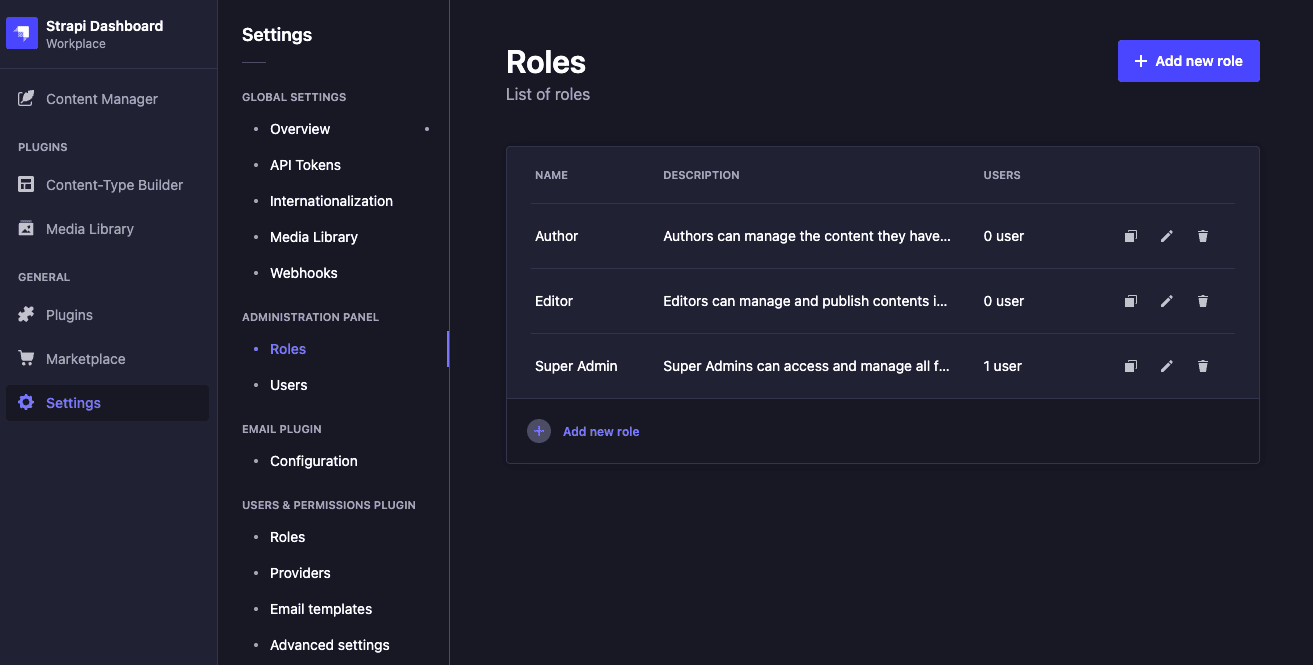
Strapi Development That Connects Content, APIs and Frontend
A useful headless CMS needs more than a working API. Its content model, editing workflow, frontend integration and deployment approach must fit together as one maintainable system.
- We Model Content Before Building Around It
- We Consider Editors as Well as Developers
- We Connect the Frontend Deliberately
- We Avoid Unnecessary Customization
- We Plan for Migration and Operations
- We Keep the Architecture Tied to the Use Case
A Methodical, Step-by-Step Strapi Implementation Workflow
From content discovery through schema modelling, API development, validation, and deployment handover, our process ensures dependable delivery.
Understand the Content & Use Cases
Review the audiences, content types, publishing workflow, frontend requirements, integrations and current limitations the project needs to address.
Design the Content Model
Define content types, components, relations, permissions and publishing rules before building the frontend around the data structure.
Plan the Frontend & API
Choose the appropriate API approach and frontend framework, then define how pages fetch content, handle errors and preview unpublished changes.
Deploy & Hand Over
Coordinate environment configuration, release checks, backups and documentation, then provide guidance for the agreed editorial and maintenance workflows.
Validate Content, Access & Performance
Test relationships, permissions, draft and published states, responsive pages, API behaviour, integrations and important content journeys.
Build & Integrate
Implement the Strapi configuration, frontend templates and agreed integrations, keeping editor usability and long-term maintainability in view.
Understand the Content & Use Cases
Review the audiences, content types, publishing workflow, frontend requirements, integrations and current limitations the project needs to address.
Design the Content Model
Define content types, components, relations, permissions and publishing rules before building the frontend around the data structure.
Plan the Frontend & API
Choose the appropriate API approach and frontend framework, then define how pages fetch content, handle errors and preview unpublished changes.
Build & Integrate
Implement the Strapi configuration, frontend templates and agreed integrations, keeping editor usability and long-term maintainability in view.
Validate Content, Access & Performance
Test relationships, permissions, draft and published states, responsive pages, API behaviour, integrations and important content journeys.
Deploy & Hand Over
Coordinate environment configuration, release checks, backups and documentation, then provide guidance for the agreed editorial and maintenance workflows.
We validate content relations, permission rules, draft preview states, responsive rendering, and webhook triggers before launching into production.
Everything You Need to Know About Strapi Development With Bixeltek
Let's Define the Right Content Architecture for Your Project
Tell us what your team needs to publish, which websites or applications will use the content and what your current CMS cannot handle. We can help define a practical scope for the content model, frontend integration and delivery workflow.
Strapi Headless CMS
Configured with modular collection types, single types, and reusable components tailored to editorial workflows.
REST & GraphQL Endpoints
Explicit query population, field filtering, and deep relation retrieval without payload bloating.
Role-Based Access & Permissions
Granular permissions for content creators, managers, and external API consumers.
Draft & Live Preview Mode
Secure preview pipelines letting editors preview unpublished content on live Next.js frontends.
Webhooks & External Integrations
Automated ISR revalidation, search indexing, and CRM synchronization triggers on content publish.
Environments & Database Backups
Separated staging and production environments with migration scripting and automated backup plans.
By submitting the form above, you consent to receive informational SMS and SMS-based appointment reminders from Bixeltek's Ideas at the phone number provided. Msg & data rates may apply. Msg frequency varies. Unsubscribe at any time by replying STOP. Reply HELP for help. Privacy Policy & Terms.