
Shopify Development Built Around the Way Your Business Sells
A Shopify store needs to do more than display products. Its catalogue, product pages, customer journey and connected systems must support how your business actually sells and fulfils orders.
Bixeltek helps businesses build new Shopify stores and improve existing ones through theme customization, storefront development, integrations and carefully planned changes to the shopping experience.
Starting a store, improving an existing theme or planning a migration? We can scope the work around your current setup, requirements and next stage of growth.

Trusted by global brands
across US, Canada, Saudi & India























A Shopify Store Should Fit Your Commerce Workflow
Shopify provides a hosted commerce foundation, but the final store still depends on how the business organizes products, presents information, handles customer decisions and connects its operations.
Our work starts by understanding the existing store or planned business model. From there, we can scope the storefront, theme changes, integrations and supporting workflows needed for the project—without assuming that every store needs a fully custom build.
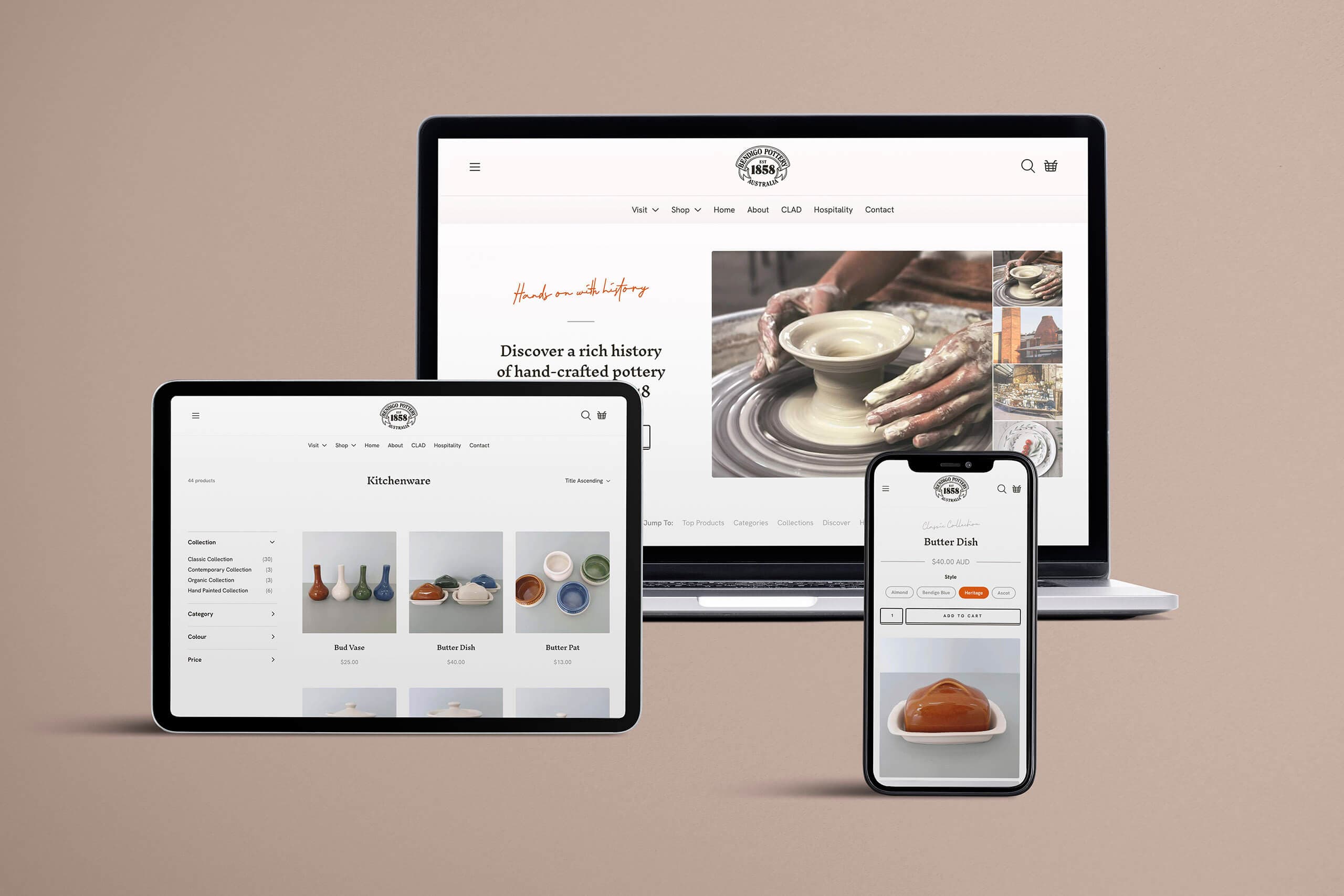
Technical Scope of Work Across Storefronts, Migrations & APIs
We handle store setups, deep theme refactors, migration continuity, and systems integration with a focus on code maintainability and commercial reliability.
Shopify Store Setup & Development
Set up the core storefront structure, navigation, collections, product templates and essential store pages around the business's catalogue and customer journey.
Theme Customization
Adapt an appropriate Shopify theme through layout, section, template and styling changes, keeping the implementation maintainable and aligned with the store's requirements.
Custom Storefront Experiences
Build more tailored storefront interactions when standard theme sections are not enough. The feasibility and approach depend on the requirements, theme architecture and relevant Shopify capabilities.
Product & Collection Structure
Plan product information, variants, collections, navigation and merchandising so shoppers can find and understand products as the catalogue evolves.
Shopify Store Redesign
Improve an existing store's structure and shopping experience while considering current URLs, product data, integrations, analytics and any functionality that must be preserved.
Shopify Migration
Plan a move to Shopify with data mapping, product and collection checks, URL redirects, integration review, analytics continuity and pre-launch validation.
Shopify Integrations
Connect Shopify with relevant business systems where supported, clarifying what data moves, which system owns it, how errors are handled and how the connection will be maintained.
Storefront SEO & Measurement Readiness
Implement relevant on-page SEO foundations and conversion tracking requirements as part of the build, while recognizing that rankings and commercial outcomes also depend on competition, content, offer and traffic quality.
Practical Store Scenarios Where Shopify Excels
From direct-to-consumer store launches to catalogue expansions and operational systems sync, we build around how your business sells.
New Direct-to-Consumer Brands
Launch a branded storefront with product pages, collections, payments and order management using Shopify.
Growing Product Catalogues
Structure larger product ranges so customers can navigate collections, compare variants and find the right products.
Stores Expanding Their Operations
Connect Shopify with the systems that manage inventory, fulfilment, customer communication and marketing.
Existing Stores Needing Improvement
Improve an existing Shopify store's design, usability and integrations without automatically rebuilding everything.
Businesses Migrating to Shopify
Move an existing ecommerce operation to Shopify while planning product data, customer records, URLs and essential workflows.
Stores Requiring Custom Functionality
Extend Shopify beyond standard theme settings with tailored storefront experiences and integrations where the platform supports them.
The Key Implementation Decisions Behind a Reliable Shopify Store
We evaluate your store's requirements, platform limitations and long-term maintenance needs before choosing the right implementation approach.

- 01
Theme Customization or Custom Development
Shopify themes can cover many storefront requirements without extensive custom code. We identify where theme settings work and where custom development adds real value.
- 02
Catalogue Structure and Shopping Experience
Products, variants, collections and filters shape how customers browse your store. We plan catalogue data and navigation early to keep product discovery clear and consistent.
- 03
Apps, Integrations and Checkout Limitations
Apps can speed up implementation, while custom integrations can support specific workflows. We assess cost, compatibility, maintenance and Shopify plan restrictions before committing.
- 04
Migration, Launch and Ongoing Maintenance
A store launch may affect URLs, customer data, analytics and existing business workflows. We plan migration, redirects, tracking, testing and post-launch ownership before release.
We choose the simplest maintainable solution that meets your business requirements.
Explore Our Ecommerce Development SolutionsShopify or Custom-Coded Ecommerce: Which Fits Your Business?
Shopify provides a managed commerce foundation with an established app ecosystem. Custom-coded ecommerce offers more control over architecture and business-specific workflows, but generally requires greater responsibility for development and ongoing maintenance.
Shopify
Custom-Coded Ecommerce
Hosted commerce platform with built-in store management capabilities.
Commerce functionality is designed and implemented around the chosen architecture.
Often a practical route when the business fits Shopify's existing capabilities and customization options.
Can require more discovery and engineering before core commerce workflows are ready.
Themes, apps and supported development options provide flexibility within platform constraints.
Offers greater control over bespoke storefronts, workflows and system architecture.
Can use available apps, APIs and custom integrations, subject to compatibility and platform limitations.
Integrations can be designed around business requirements, with implementation and maintenance responsibility remaining part of the project.
Shopify manages the hosted platform, while the store still needs theme, app, integration and content maintenance.
The technical team must manage the application's infrastructure, dependencies, security and ongoing development.
Typically includes platform, subscription, app and development costs, depending on the setup.
Typically involves more direct responsibility for engineering, infrastructure and continuing technical support.
Managed Platform & Speed to Market
Businesses that want a managed commerce foundation and whose requirements can be met through Shopify's features, apps and supported customization.
Architectural Autonomy & Bespoke Logic
Businesses whose differentiating workflows, product experience or integration requirements justify greater architectural control and long-term engineering ownership.
The right choice depends on your requirements, available resources and total cost of ownership—not just the initial development budget.
Connected Systems Built on Shopify's Modern Architecture
We connect your Shopify storefront to your ERP, CRM, fulfilment, and analytics infrastructure via standard APIs, webhooks, and theme app extensions.
We connect custom APIs, ERP software, and marketing platforms directly into Shopify's event ecosystem.
A Methodical, Step-by-Step Shopify Implementation Workflow
From requirement analysis through schema structure and payment verification, our workflow ensures seamless launch delivery.
Understand the Store & Requirements
Review the business model, catalogue, current store or platform, customer journey, integrations and the operational requirements the implementation must support.
Define the Implementation Approach
Separate requirements that can be handled through Shopify settings or a suitable theme from those that need custom development, apps or integration work.
Structure the Storefront & Data
Plan navigation, collections, product information, templates and important customer paths before building the experience.
Launch & Handover
Coordinate launch checks, document important configuration and hand over the store with a clear understanding of what has been built and how it should be maintained.
Test the Shopping Journey
Check responsive layouts, representative products and variants, navigation, forms, cart and checkout behaviour, integrations, redirects and measurement where relevant.
Develop & Connect
Implement the agreed theme and storefront changes, configure relevant features and build or connect integrations included in the project scope.
Understand the Store & Requirements
Review the business model, catalogue, current store or platform, customer journey, integrations and the operational requirements the implementation must support.
Define the Implementation Approach
Separate requirements that can be handled through Shopify settings or a suitable theme from those that need custom development, apps or integration work.
Structure the Storefront & Data
Plan navigation, collections, product information, templates and important customer paths before building the experience.
Develop & Connect
Implement the agreed theme and storefront changes, configure relevant features and build or connect integrations included in the project scope.
Test the Shopping Journey
Check responsive layouts, representative products and variants, navigation, forms, cart and checkout behaviour, integrations, redirects and measurement where relevant.
Launch & Handover
Coordinate launch checks, document important configuration and hand over the store with a clear understanding of what has been built and how it should be maintained.
We believe disciplined launch checks, staging validation, and documented handovers are the foundations of long-term store stability.
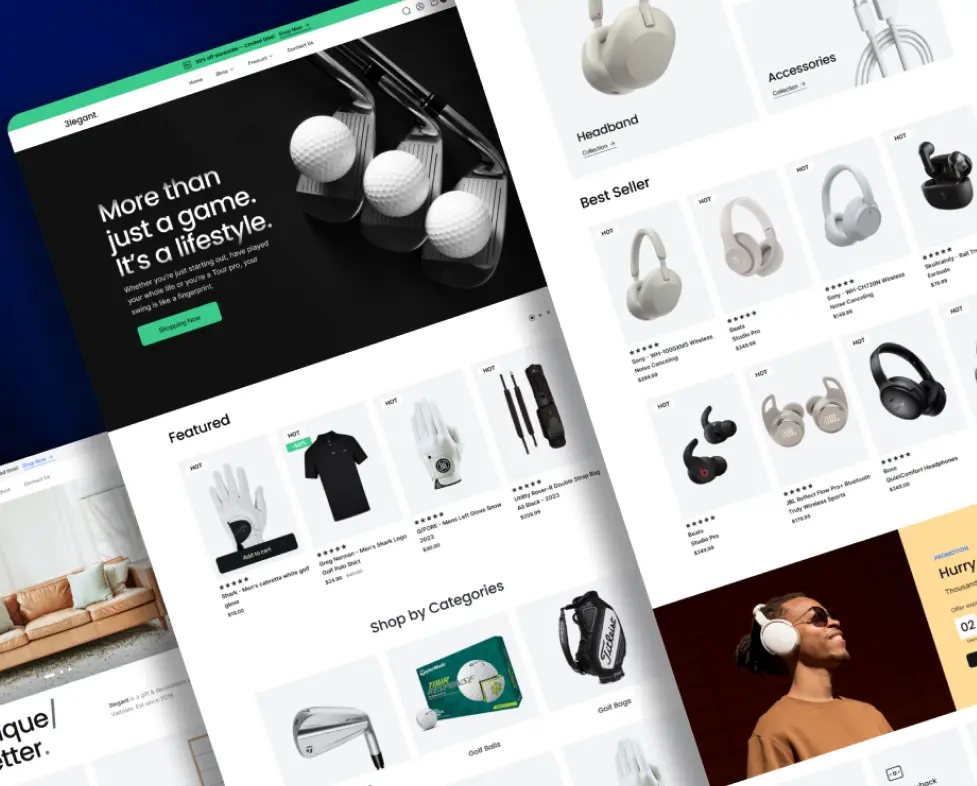
Development Decisions That Consider the Store Beyond the Screen
A Shopify storefront is connected to catalogue management, fulfilment, customer communication, acquisition and measurement. Development decisions should account for those relationships instead of treating the website as an isolated design project.
- We Start With the Business Requirement
- We Avoid Custom Code Where It Adds No Value
- We Consider Catalogue and Operations
- We Treat Migration as a Continuity Project
- We Connect Development With Growth Needs
- We Plan for Handover and Maintenance
Everything You Need to Know About Shopify Development with Bixeltek
Let's Scope the Shopify Work Your Business Actually Needs
Tell us whether you are launching a store, improving an existing theme, connecting business systems or planning a migration. We can review the requirement and identify the right next step before the scope is locked in.
Shopify Online Store 2.0
Modular sections, JSON templates, and app blocks without theme clutter.
GraphQL & Webhooks
Reliable synchronization between Shopify Admin, ERPs, and fulfillment pipelines.
Google Analytics 4 & GTM
Validated purchase, checkout, and cart interaction telemetry.
Meta Conversions API (CAPI)
Server-side event dispatching for high-signal ad optimization.
SEO Canonical & Schema
Clean URL structure, 301 redirect mapping, and Product JSON-LD schema.
Checkout Extensibility
App-based checkout UI and functions tailored to plan entitlements.
By submitting the form above, you consent to receive informational SMS and SMS-based appointment reminders from Bixeltek's Ideas at the phone number provided. Msg & data rates may apply. Msg frequency varies. Unsubscribe at any time by replying STOP. Reply HELP for help. Privacy Policy & Terms.