
Build an Ecommerce System That Works From Product to Purchase
Your online store needs to do more than display products. It needs to help customers find what they want, understand their options and complete their purchase - while giving your team a manageable way to run the business.
We design and develop ecommerce websites around your catalogue, business model, operational needs and plans for growth, using Shopify, WooCommerce or custom development where appropriate.
Launching your first store, replacing an outdated one or moving beyond your current platform? Start with the requirements, not a predetermined solution.
Trusted by businesses
across India, North America and Saudi Arabia

























Ecommerce Experience Built From Years of Real Projects
We have been designing and developing ecommerce experiences for 5+ years, working with different products, business models, platforms and operational requirements. That experience helps us make practical decisions that balance customer experience, technology and business growth.
- 5+ Years of Ecommerce Development Experience
- Shopify, WooCommerce, Headless & Custom Ecommerce
- Built Around Your Products, Customers & Operations
- Conversion-Focused Customer Experiences
- SEO, Analytics & Performance Built Into the Foundation
- Designed to Support Growth Beyond Launch
What Is Holding Your Ecommerce Business Back?
The next step is not always a new website. It is identifying the problem that is making the current store harder to grow or operate.
Customers Visit but Do Not Purchase
When product information, pricing, delivery details or trust signals leave questions unanswered, visitors have less reason to complete their order. The buying journey needs to address those questions at the right time.
Managing the Store Takes Too Much Work
Manual product updates, disconnected inventory and repetitive order processes can turn everyday store management into an operational burden. The right structure and integrations can reduce unnecessary work.
The Current Platform Is Becoming a Limitation
A store may outgrow its existing setup as the catalogue, integrations or business requirements become more complex. The important decision is whether the current platform can be extended or whether a different approach is justified.
A Redesign Is Needed, but the Scope Is Unclear
Not every problem requires a complete rebuild. Understanding what is working, what is underperforming and what needs to change helps prevent unnecessary development and migration costs.
Which Ecommerce Platform Fits Your Business?
The best platform is the one that fits your requirements without adding unnecessary complexity. We evaluate the way you sell, the functionality you need and how you expect the business to develop.
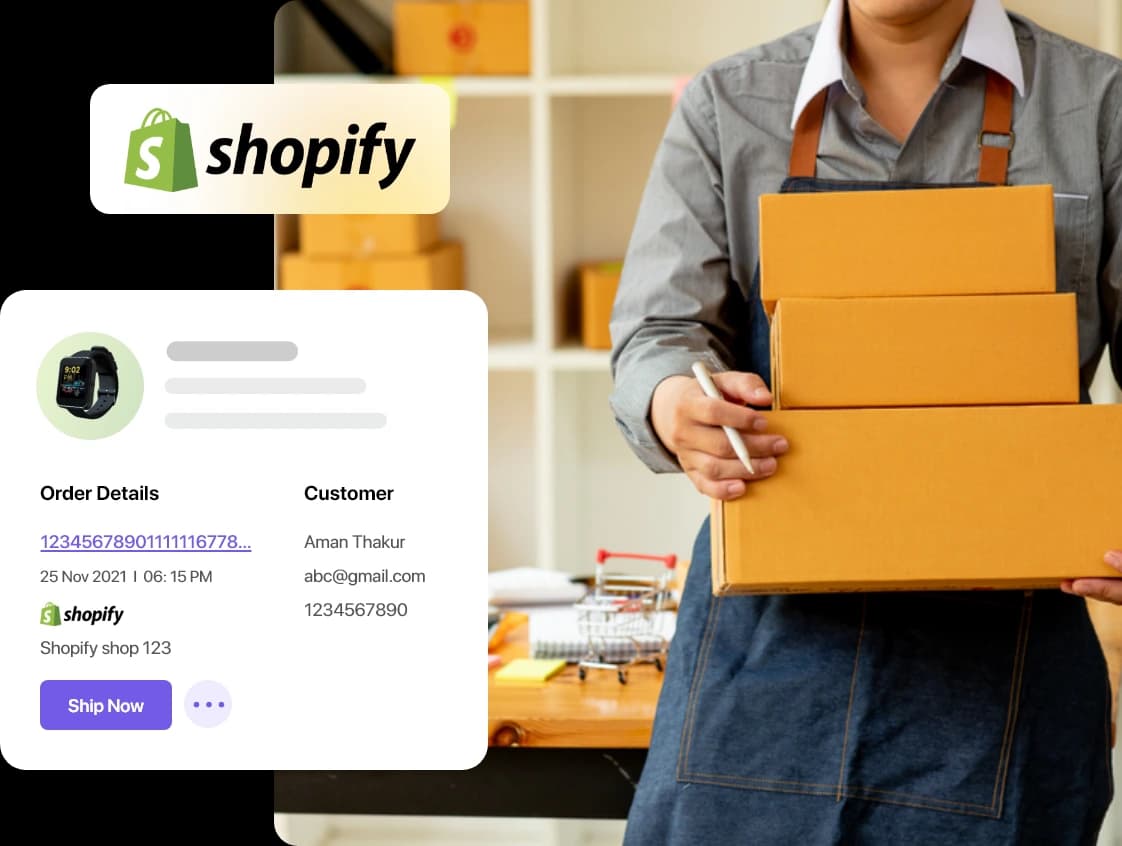

Shopify
A managed ecommerce platform suited to businesses that want established store functionality, an extensive app ecosystem and a practical way to manage products, orders and day-to-day store operations.
From Product Catalogue to Completed Order
We bring the key parts of an ecommerce project together so the storefront, technology and business operations work as one system.
Ecommerce Strategy & Structure
Define the catalogue structure, page types, customer journeys, platform requirements and project scope before development begins.
UX/UI Design
Design product listings, product detail pages, navigation and purchase flows around the needs of your customers and the character of your brand.
Store Development
Build the storefront, catalogue, cart, checkout and supporting functionality using the platform and architecture suited to the project.
Payments & Integrations
Connect relevant payment providers and business systems, such as inventory, shipping, CRM, analytics or ERP tools, according to the requirements.
Migration & Launch
Plan the transition from an existing store where needed, including products, content, URLs and other relevant data. Test important journeys and integrations before launch.
Technical SEO & Analytics
Establish the technical foundations for product and category discovery, alongside measurement for important customer actions and completed purchases.
Give Customers the Information They Need to Buy
A good ecommerce experience anticipates the decisions customers need to make. The design should make those decisions easier without overwhelming people with unnecessary content or steps.
- 01
Product Discovery
Organise products into useful categories and collections, with navigation, search and filtering appropriate to the size of the catalogue.
- 02
Product Information
Present descriptions, specifications, images, variants, availability and other relevant details in a way that helps customers evaluate their options.
- 03
Cart & Checkout
Make product selection, cart review, delivery information and payment steps clear and predictable, while avoiding unnecessary friction.
- 04
Mobile Usability
Ensure customers can browse, compare products and complete purchases comfortably across mobile devices, tablets and desktops.
Your Store Is Part of a Bigger Operation
An ecommerce website does not operate in isolation. Depending on the business, its success also depends on how orders, inventory, customer information and marketing data move between systems.
Inventory & Order Management
Connect relevant systems to help keep product availability and order information consistent.
Customer & Marketing Systems
Integrate CRM, email marketing, advertising platforms and analytics where they support the business's customer acquisition and retention workflows.
Shipping & Fulfilment
Connect appropriate shipping or fulfilment services to support the process from checkout to delivery.
Business-Specific Workflows
Where standard integrations are insufficient, assess whether custom APIs or development are needed to connect the store with existing business systems.
Engineered for Scalable, High-Converting Commerce
From modern headless architectures to enterprise Shopify Plus setups, we build and scale on proven commerce platforms, payment gateways, and operational integrations.
Running on Magento, BigCommerce, SAP, or a custom in-house ERP?
Make the Important Decisions Before Development Begins
Discovery
Understand the business model, products, customers, current challenges and operational requirements.
Scope & Architecture
Define the store structure, platform, integrations, functionality and project priorities.
Design
Develop the key page layouts and buying journeys before committing to the full implementation.
Launch
Prepare the store for launch, verify critical journeys and establish the next steps for ongoing maintenance and improvement.
Testing
Validate product flows, checkout, payments, mobile usability, data and integrations.
Development
Build the storefront, configure ecommerce functionality and implement the agreed integrations.
Discovery
Understand the business model, products, customers, current challenges and operational requirements.
Scope & Architecture
Define the store structure, platform, integrations, functionality and project priorities.
Design
Develop the key page layouts and buying journeys before committing to the full implementation.
Development
Build the storefront, configure ecommerce functionality and implement the agreed integrations.
Testing
Validate product flows, checkout, payments, mobile usability, data and integrations.
Launch
Prepare the store for launch, verify critical journeys and establish the next steps for ongoing maintenance and improvement.
Your Ecommerce Store Should Keep Improving After Launch
Launching the store is the starting point, not the end of the project. Once customers begin using it, real behaviour can reveal where they discover products, where they hesitate and where they leave.
We can use that information to identify opportunities across the buying journey - from product and category pages to checkout, mobile experience, analytics and acquisition.
Conversion Improvements
Review customer journeys, product pages, cart and checkout to identify areas where unnecessary friction may be affecting completed purchases.
Product & Category Experience
Improve how products are organised, presented and discovered as you learn more about what customers need to make purchase decisions.
Analytics & Measurement
Use relevant analytics and conversion data to understand important customer actions and make improvement decisions based on evidence.
SEO & Organic Growth
Continue improving product and category structures, technical foundations and content as the store grows and the search opportunity becomes clearer.
Paid Acquisition
Connect the ecommerce experience with Google Ads and Meta Ads when paid acquisition is part of the business's growth strategy.
New Features & Integrations
Extend the store as business requirements change, whether that means new functionality, integrations, automation or improvements to existing workflows.
.32b362ef.png&w=3840&q=75)
What to Know Before Starting an Ecommerce Project
Let's Work Out What Your Store Needs
Tell us what you sell, how your current store works and what you want to improve. We'll discuss the requirements, platform options and the work needed to move the project forward.
Shopify
Optimizing product discovery, merchandising, cart flows, and checkout experiences.
WooCommerce
Improving storefront journeys, product pages, cart behaviour, and purchase flows.
WordPress
Optimizing business websites, landing pages, forms, and lead-generation journeys.
Next.js
Building and optimizing high-performance conversion experiences with custom development.
Medusa
Optimizing flexible commerce experiences across custom storefronts and purchase journeys.
Custom Web Applications
Improving conversion flows across business-specific websites, portals, and web applications.
By submitting the form above, you consent to receive informational SMS and SMS-based appointment reminders from Bixeltek at the phone number provided. Msg & data rates may apply. Msg frequency varies. Unsubscribe at any time by replying STOP. Reply HELP for help. Privacy Policy & Terms.