Google Maps in Riyadh: What Makes Customers Choose You?
What Makes Customers Choose a Riyadh Business on Google Maps? Customers choosing a business on Google Maps in Riyadh need clear answers: does it offer the right service, is it available when needed, can they reach it, and does its reputation...
- Nov 20, 2026
- 8 min read
By Asif Shaik
What Makes Customers Choose a Riyadh Business on Google Maps?
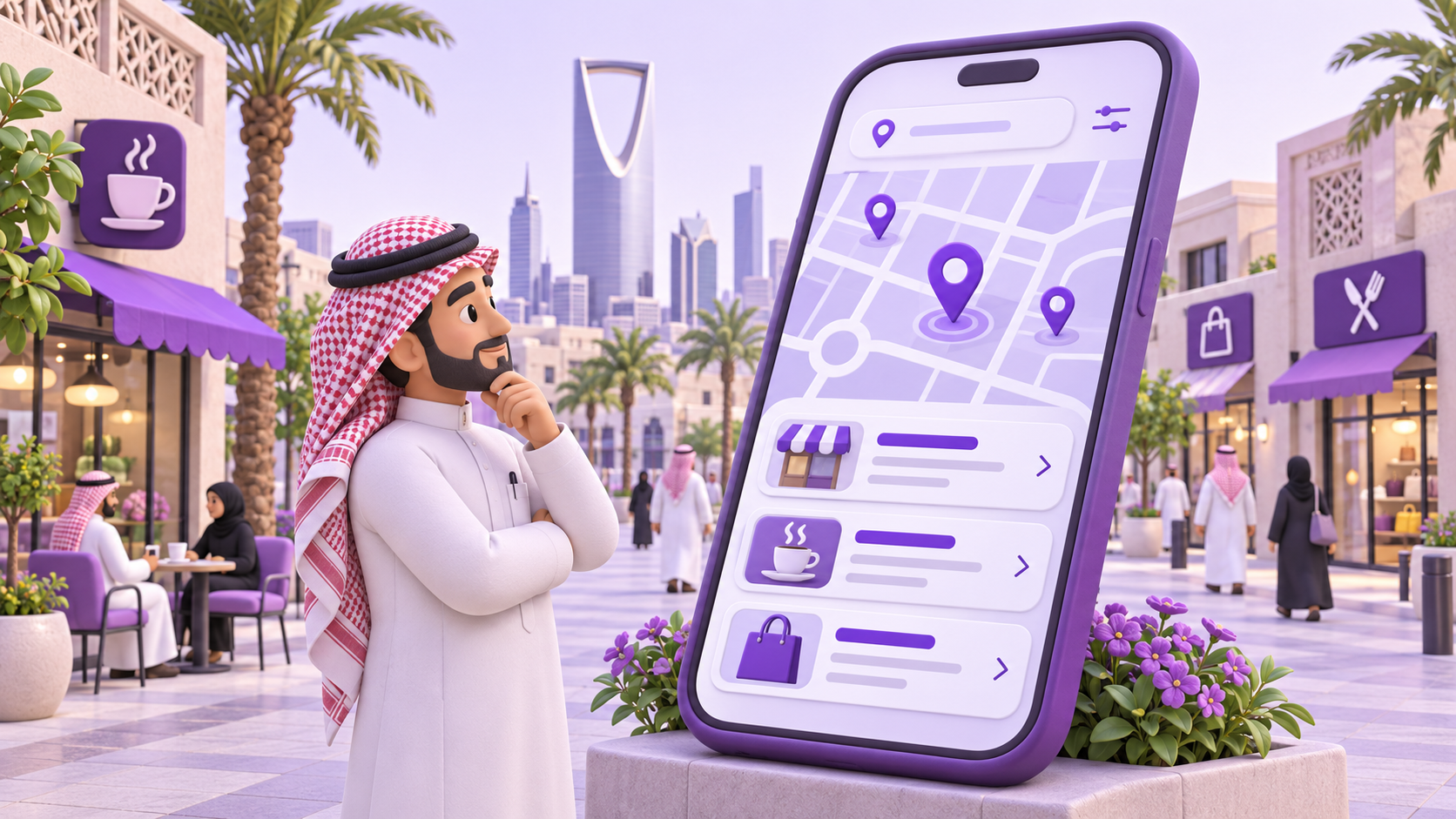
Customers choosing a business on Google Maps in Riyadh need clear answers: does it offer the right service, is it available when needed, can they reach it, and does its reputation inspire confidence? Accurate hours, useful photos, specific service information and credible reviews help them judge whether to call or visit.
There is no single deciding factor for every customer. Someone replacing a damaged tyre has different priorities from a family planning dinner. For business owners, the practical task is to remove uncertainty around the decision their customers need to make.
How Do Customers Compare Businesses on Google Maps in Riyadh?
A customer may discover your listing through a service search, browse nearby options, or check your business after receiving a recommendation. The profile becomes a place to assess suitability before committing time or money.
| Customer question | Information that helps | Practical benefit |
|---|---|---|
| Do you offer what I need? | Specific services and relevant descriptions | Fewer unsuitable enquiries |
| When can I visit or contact you? | Accurate hours and appointment requirements | Clearer expectations |
| Can I reach you conveniently? | Correct location, entrance photos and access details | Easier arrival |
| What experience should I expect? | Genuine photos, reviews and helpful responses | Better informed decisions |
| What should I do next? | Working phone, website or booking links | A clearer route to contact |
These are decision aids, not a guaranteed order of customer behaviour. Bixeltek’s local SEO services address the wider business information supporting local discovery.
Show Exactly What You Offer and Who It Suits
A broad category helps identify your business, but customers may need a more specific answer. A workshop offering tyre replacement does not necessarily handle wheel alignment. A cleaning company serving offices may not accept individual apartment bookings.
Use recognisable service names wherever the relevant profile features are available. Explain important limits on the linked website, including appointment requirements, minimum job scope or exclusions.
If prices are shown, clarify whether they are fixed, starting prices or subject to assessment. An attractive amount without context can create the wrong expectation.
For a Riyadh business serving Arabic and English speakers, consider whether customers can understand essential service information in either language. Base that choice on the people you actually serve rather than assumptions about everyone searching locally.
Make Opening Hours Useful for the Intended Visit
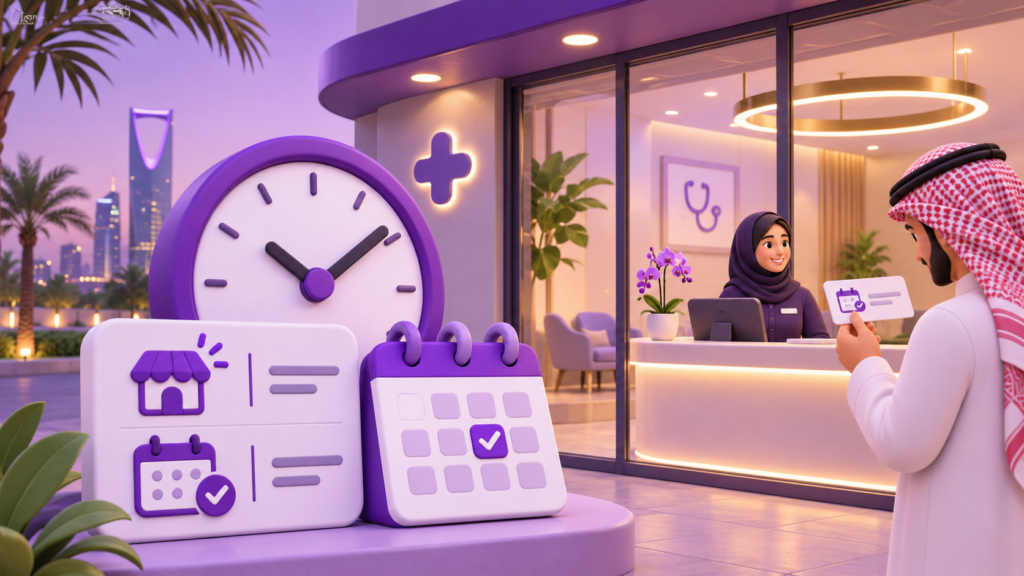
Open answers whether the business operates at that time. It does not necessarily confirm an available appointment, an immediate repair or stock ready for collection.
Keep regular hours accurate and publish applicable changes for holidays or other exceptional dates. If Ramadan changes your operating schedule, make sure the published information reflects the actual arrangements.
Then explain service availability separately. A clinic may be open while a particular practitioner is unavailable. A repair business may answer calls before technicians can attend.
Give customers a clear instruction when confirmation is necessary: call before bringing specialist equipment, book before visiting, or confirm collection readiness.
The benefit is practical: customers can plan around what your business can actually provide.
Help Customers Understand Where to Go
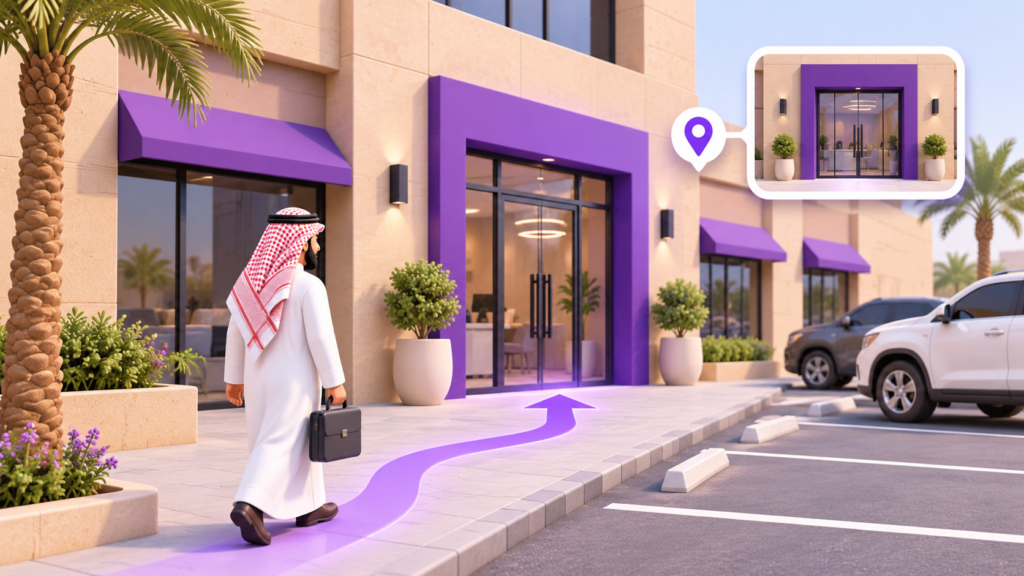
A nearby map marker does not answer every travel question. Customers may need to identify the right branch, locate the entrance or understand whether you visit their neighbourhood.
For premises receiving visitors, check the address and map pin against the actual location. Use current exterior photographs showing recognisable signage and the customer entrance.
Where relevant, explain the building name, floor or access route on your website. Describe parking or accessibility only when the details are accurate; do not imply guaranteed parking because spaces exist nearby.
For a business visiting customers, clarify service coverage instead of encouraging visits to an address where customers are not received.
Someone in Al Olaya looking for a workshop needs different location information from someone in Al Yasmin arranging a home visit. The useful detail depends on the service.
Use Photos to Answer Practical Questions
Photos should help customers recognise or assess the business. An entrance image answers Is this the right place? An interior image can show seating or the reception layout. Genuine work photographs can illustrate the type of job a service business handles.
Choose images that reflect current premises, equipment and offerings. Remove misleading impressions created by outdated branding or services you no longer provide.
A stock photograph cannot show customers what your actual entrance looks like. Similarly, a finished repair image does not establish that every future repair will have the same outcome.
Prioritise relevance and accuracy over uploading images to meet an arbitrary schedule. Obtain permission before showing identifiable customers or private property.
Let Reviews Provide Context Beyond the Star Rating
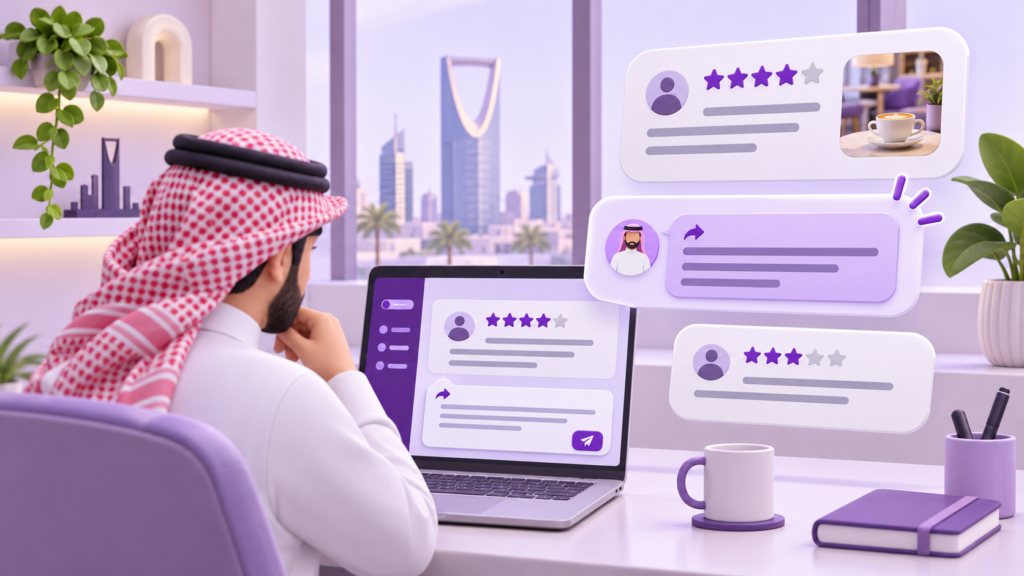
Ratings provide a quick summary, while written reviews can describe details relevant to a particular decision. A customer might look for comments about communication, waiting times, cleanliness or the service they need.
Consider the substance of feedback alongside its age and volume. One complaint does not establish a recurring problem, and a high average cannot guarantee a suitable experience for every customer.
Public replies also give readers context. Acknowledge a relevant concern, explain an appropriate next step and keep personal information private. Defensive arguments can leave the original issue unresolved.
Invite genuine customers to share honest experiences without rewards or requests for a particular rating. The aim is useful feedback that helps future customers assess the business.
A Hypothetical Riyadh Customer Comparison
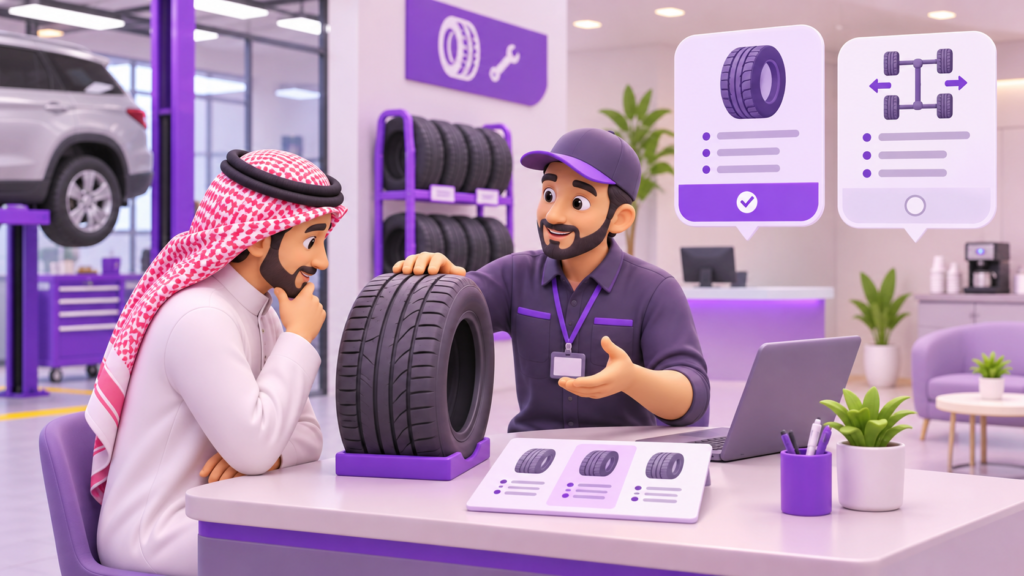
Imagine a driver in Al Olaya searching for tyre replacement before an evening journey. Two workshops appear suitable.
The closer workshop has a strong rating but unclear service details. A further workshop lists tyre replacement, shows its entrance and provides current hours.
In this hypothetical example, the driver calls both. The closer workshop cannot confirm the required tyre is available. The farther workshop confirms the tyre size, fitted price and an appointment that suits the driver’s schedule.
The driver chooses the farther workshop because confirmed suitability outweighs the shorter journey. Profile information supported the comparison; the conversation established stock and appointment availability.
Separately, imagine the closer workshop’s owner notices repeated calls asking where to enter. Checking the public profile reveals an old photograph showing a former entrance.
The owner replaces it and checks the published image against the visitor route. This verifies the corrected guidance, not a sales increase. Later customer feedback can help assess whether arrival confusion continues.
Make the Next Step Work, Then Review the Outcome
Once someone finds a suitable business, the contact route must work. Test the public phone link and website destination from a mobile device. Check that visitors reach the intended branch and can find any necessary booking instructions.
If details need correcting, Bixeltek’s Google Business Profile optimization checklist explains the setup and verification process.
Keep the results in perspective. Google Business Profile’s Calls metric counts call button clicks, not confirmed conversations. Direction requests do not establish completed visits.
Use actual enquiry, appointment and sales records to understand business outcomes. Ask customers how they found you without assuming every answer provides complete attribution.
Decide What Needs Attention First
Start with information that could send someone to the wrong place or create a wasted visit: location, hours and whether the service is offered. Next, address questions that repeatedly appear in calls, such as appointment requirements or access instructions.
Assign updates to someone who knows the current operation. Reception may know common arrival problems, while the service team can confirm what work is accepted. Review details when those arrangements change. This connects profile maintenance to real customer needs and gives staff a concrete reason for each correction.
If customers remain unsure about choosing your business, Bixeltek’s Riyadh digital marketing services include local SEO support. Request a review of service clarity, published availability, arrival information and the linked contact route to identify information gaps that need attention.